Addressing the Gut
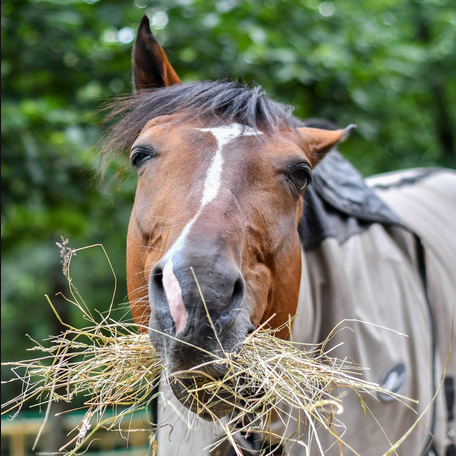
Note to self: If they can’t absorb it, it doesn’t matter how good it is…
The equine digestive tract is specialized to process a high-fiber, forage-based diet. Key anatomical and functional features include:
Small stomach: Horses have a relatively small stomach compared with their body size, limiting the amount of feed they can process at one time. This design favors frequent, small meals rather than large, infrequent feeds.
Long small intestine: The small intestine is lengthy and handles digestion and absorption of soluble carbohydrates, proteins, fats, vitamins, and minerals. Rapidly fermentable carbohydrates are best kept to moderate levels here to reduce risk of digestive upset.
Large hindgut (cecum and colon): The hindgut is the primary fermentation chamber, hosting a diverse microbial population that breaks down fibrous plant material (cellulose and hemicellulose) into volatile fatty acids—the main energy source for the horse. Fermentation in the hindgut allows extraction of nutrients from forages that the horse cannot digest enzymatically in the foregut.
Functional implications for feeding and management
Forage-first diet: Because the digestive tract is optimized for continuous fiber fermentation, high-quality forage (hay or pasture) should make up the majority of the daily ration. Aim for at least 1.5–2% of body weight in forage dry matter per day for most horses, adjusted for age, activity, and condition.
Meal frequency and size: Frequent access to forage mimics natural grazing behavior and reduces gastric acid exposure in the empty stomach. Large, starch-rich meals increase the risk of hindgut fermentation disturbances, colic, and laminitis.
Controlled concentrates: Concentrates should complement, not replace, forage. When concentrates are necessary, they should be fed in multiple small meals and formulated to limit excess starch reaching the hindgut.
Gradual dietary changes: Microbial populations in the hindgut adapt slowly. Any changes in forage type, grain level, or supplements should be introduced gradually over 7–14 days to minimize risk of dysbiosis and digestive upset.
Water and forage particle size: Adequate fresh water is essential for microbial fermentation and normal transit. Forage particle size matters—chopped or pelleted forages can be useful in certain situations but may alter chewing time and saliva production, which can affect gastric health.
Health consequences of mismatched feeding
Colic: Sudden increases in grain or decreased forage intake can disrupt hindgut fermentation and digestion, increasing colic risk.
Laminitis: Excess starch spillover into the hindgut can lead to proliferation of pathogenic bacteria and toxin release, contributing to laminitis.
Dental and behavioral issues: Insufficient forage, dental alignment, and somatic dysfunctions can lead to abnormal chewing, cribbing, wood chewing, and dental wear problems.
Understanding the horse’s digestive anatomy and its reliance on hindgut fermentation helps guide feeding practices that support digestion, health, and performance.
A horse’s ability to digest food matters more than the calories you offer. Many owners reach for pre- and probiotics first; I disagree. Start with quality digestive enzymes. They help break down hay and feed so nutrients are absorbed, relieve digestive upset quickly, and often fix slow weight gain when months of probiotics haven’t helped.
One of my go to products for this is Evergreen EverGest EQ. Here’s more information, directly from the Horse’s Mouth… (This post contains affiliate links, which means I may earn a commission if you make a purchase.)
Evergreen Evergest EQ: A Multi-Enzyme Blend of Non Animal Source Enzymes Especially Formulated for the Digestive System of Horses.
This special enzyme complex can break the 1-6 carbon bonds found in legume sugars. These sugars, namely raffinose, stachyose, pentosans, etc, are not digestible in the small intestine. They in turn pass through the small intestine and enter the large intestine where they are fermented by the microbial flora and produce gas, resulting in bloating, pain, and general discomfort.
Evergreen Evergest EQ enzymes help reduce the amount of starch transiting to cecum by over 80%.
The enzymes in Evergreen Evergest EQ help prevent excess starch from reaching the lower tract and its potential complications: colic and laminitis.
Evergreen Evergest EQ is a natural approach for your Horses’ total health Helps prevent “carbohydrate overload” in horses by breaking down concentrated starch Evergreen Evergest EQ enzymes are effective throughout the pH range of 3-8 in horse intestinal system.
Increases short chain fatty acids for full nutrient value in cecum. Helps protect the mucosal lining in large intestine.
Overcomes Anti-Nutritional Factors (ANF’S) inherent in today’s feed. Helps prevent undigested sugars from causing gas, bloating, pain and general discomfort.
Predisposing Factors of Laminitis
If the horse eats excess grain or grass that is under stress and has accumulated excess nonstructural carbohydrates (NSC) ie, sugars, starch, fructan, it may be unable to digest all of the carbohydrate in the foregut. The excess moves to the hindgut and ferments in the cecum. The presence of this fermenting carbohydrate in the cecum causes proliferation of lactic acid bacteria and an increase in acidity. This process kills beneficial bacteria, which ferment fiber. The endotoxins and exotoxins may then be absorbed into the bloodstream, due to increased gut permeability caused by irritation of the gut lining by increased acidity. Endotoxemia results in impaired circulation particularly in the feet. The result is laminitis.
Follow this link: EverGest EQ to order or learn more from Deb, the very knowledgeable owner, at Evergreen Equine Essentials. Tell her I sent ya!
Have more questions? Book an appointment today.
As always, these recommendations do not replace the advice of your veterinarian.