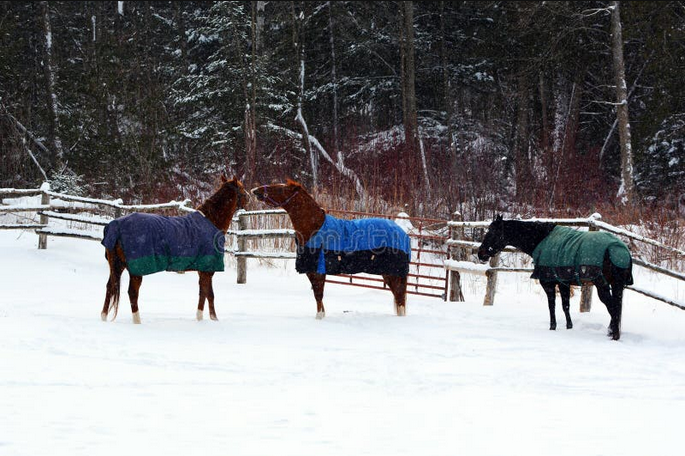
Horse blanketing is one of those topics that can spark heated debates in any barn. Some horse owners swear by keeping their horses bundled up at the first hint of cold, while others let their horses go “au naturel” through the winter. The truth, as usual, lies somewhere in between—and depends heavily on your individual horse. Personally, I rarely blanket. But my horse’s are not clipped, they live in a large pasture as a herd with natural windbreaks, and don’t get worked to a sweat often…. My senior horse would get blanketed when it was dropping below zero F, and it would only stay on until the sun was shining, regardless of temperatures. It is a personal preference, but Blankets are part of the domesticated horse world and there seems to be a lot of confusion about their usage.
Understanding Your Horse's Natural Temperature Regulation
Before reaching for that blanket, it's worth understanding how horses naturally handle cold weather. Horses are remarkably well-adapted to cold temperatures. Their coat grows longer and fluffier in winter, creating air pockets that trap heat. They also have the ability to raise and lower their coat hairs (piloerection) to adjust insulation. When properly fed and allowed to acclimate gradually, a healthy horse with a full winter coat can comfortably handle temperatures well below freezing.
The critical temperature—the point at which a horse needs to expend extra energy to stay warm—is surprisingly low for a dry horse with a winter coat: around 0°F to 10°F (-18°C to -12°C). For horses with clipped coats, this threshold jumps to around 50°F (10°C).
When to Blanket
Body Clipped Horses: If you've clipped your horse for riding purposes, blanketing isn't optional—it's necessary. You've removed their natural insulation, so you need to replace it. The weight of blanket needed depends on how much coat you've removed and the temperature.
Senior Horses: Older horses may struggle to maintain weight in winter and often have difficulty regulating body temperature. They frequently benefit from blanketing even with a full coat.
Thin or Underweight Horses: If your horse is having trouble maintaining condition, a blanket helps them conserve calories that would otherwise go toward staying warm.
Horses in Active Work: If you're riding regularly and your horse works up a sweat, they may need a blanket to prevent chilling when their coat is damp. Horses in serious training are often clipped and blanketed to prevent excessive sweating during work.
Inadequate Shelter: If your horse doesn't have access to a windbreak or shelter during wet, windy, or particularly harsh weather, a waterproof blanket can be crucial. While horses handle cold well, they struggle with the combination of cold, wet, and wind.
Horses New to Your Climate: A horse that just moved from Florida to Minnesota needs time to acclimate and grow an appropriate winter coat. They may need temporary blanketing support during their first winter.
When Not to Blanket
Healthy Horses with Full Winter Coats and Adequate Shelter: If your horse is healthy, has grown a proper winter coat, maintains good weight easily, and has access to shelter, they probably don't need a blanket for mild winter temperatures.
During Warm Spells: Horses overheat more easily than we realize. If you've blanketed for genuinely cold weather but then temperatures rise into the 50s°F (10-15°C), your horse may be uncomfortably hot, especially in the sun. Overheating can be just as problematic as being too cold.
When It Interferes with Natural Thermoregulation: Blanketing too early in fall can prevent a horse from growing their full winter coat. This sets them up to be blanket-dependent all winter.
Finding "Just Right"
The goal is to keep your horse comfortable without overheating or chilling. Here are some practical guidelines:
Know Your Horse's Comfort Zone: Check under the blanket at the withers and chest. Your horse should feel comfortably warm, not hot and sweaty, and not cold. If they're sweaty, you're over-blanketing. If they're cold to the touch, add warmth.
Consider the Wind Chill: A calm 20°F day is very different from a windy, wet 35°F day. Wind chill and precipitation matter more than temperature alone.
Match Blanket Weight to Conditions: Light blankets (no fill) for temperatures in the 40s-50°F, medium weight (200g fill) for 20s-40°F, and heavy weight (300g+ fill) for below 20°F. These are rough guidelines—adjust based on your horse's coat, body condition, and shelter.
Watch Behavior: Your horse will tell you if they're uncomfortable. A cold horse may shiver, appear hunched, have cold ears, or stand with their tail tucked. An overheated horse may sweat, seem agitated, or seek shade.
A Few Words on Shivering
Shivering is actually a warning sign, not just a normal warming mechanism you should allow to continue. While it's true that shivering generates heat through muscle contractions, by the time a horse is visibly shivering, they're already in significant thermal distress.
Here's why that matters:
Shivering is energetically expensive. A shivering horse is burning through calories rapidly—calories they need for maintaining weight, immune function, and overall health. In winter, when horses already require more calories to stay warm, forcing them to shiver to generate heat is like making them run a marathon just to stay comfortable.
It means their other mechanisms have failed. Before resorting to shivering, horses rely on their coat's insulation, piloerection, increased feed intake, and behavioral changes like seeking shelter or huddling with other horses for warmth. If they're shivering, these systems aren't keeping up with heat loss.
Prolonged shivering indicates hypothermia risk. Mild shivering can progress to more serious cold stress. A horse that's shivering for extended periods, especially if they're also showing other signs like lethargy, hunched posture, or cold extremities, needs intervention. Hypothermia causes long-term damage to the horse’s homeostasis and should be avoided at all costs.
The better approach: Rather than viewing shivering as "working as intended," think of it as your horse's emergency alarm system telling you they need help—whether that's a blanket, moving to shelter, extra hay (which generates heat during digestion), or getting them dry if they're wet.
So yes, shivering does generate heat, but if your management strategy relies on letting your horse shiver to stay warm, something needs to change. A properly managed horse should rarely, if ever, need to shiver.
Common Blanketing Mistakes
The Over-Blanket Trap: Starting to blanket too early or too heavily can suppress winter coat growth, making your horse dependent on blankets all winter. It also risks overheating.
Wet Blankets: A wet blanket is worse than no blanket. Always use waterproof outer layers if there's any chance of rain or snow, and check that blankets aren't soaking through.
Poor Fit: Blankets that don't fit properly can rub, slip, cause pressure sores, or even become dangerous if a horse gets tangled. Check fit regularly and adjust as needed.
Set It and Forget It: Temperatures fluctuate, blankets get wet or torn, and horses' needs change. If the blanket remains on for months at a time, they can hide gradual weight loss that's much easier to address early than after months have passed. Check blankets daily and adjust as needed.
The Bottom Line
There's no one-size-fits-all answer to blanketing. A clipped show horse in Minnesota has very different needs than an unclipped trail horse in Virginia. Pay attention to your individual horse's coat, body condition, age, health, living situation, and work level. When in doubt, err on the side of caution—but remember that horses are tougher than we often give them credit for.
The best approach is to check your horse daily, know what "comfortable" looks and feels like for them, and adjust your blanketing strategy accordingly. Your horse will thank you for finding that perfect balance.