Bring on the Shine!
This post contains affiliate links, which means I may earn a commission if you make a purchase
Feeding for a Glossy Coat: Nutrition Secrets for Healthy Horse Hair
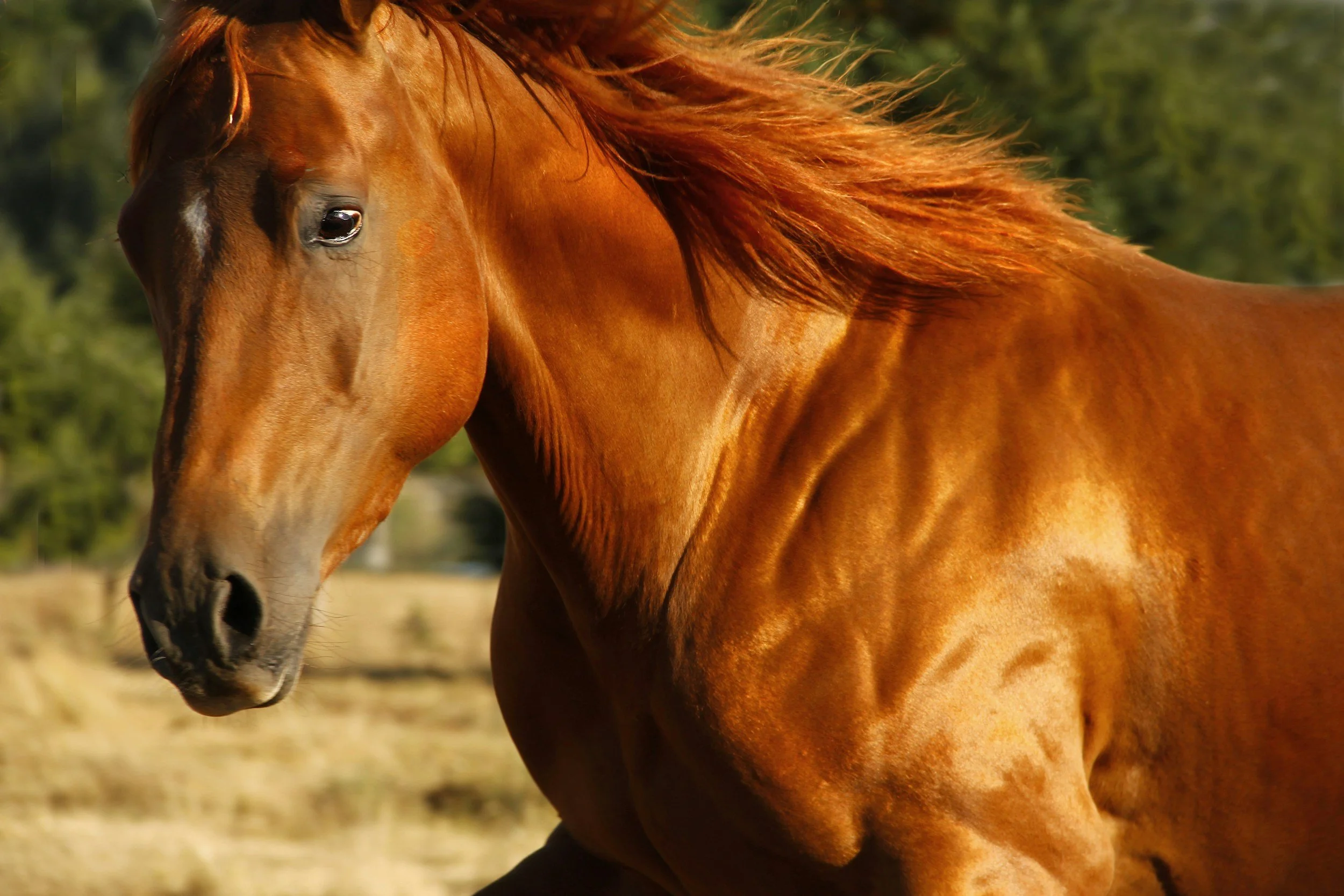
Every horse owner dreams of seeing their equine companion sporting a gleaming, healthy coat that catches the light with every movement. While regular grooming certainly plays its part, the real foundation of coat quality lies in what goes into the feed bucket. A horse's coat is essentially a window into their overall health, and nutrition is the single most powerful tool you have for achieving that coveted shine.
The Building Blocks of Coat Health
Hair is primarily composed of protein, specifically keratin, which means adequate protein intake forms the cornerstone of coat quality. Adult horses typically require 8-10% crude protein in their diet for maintenance, though this increases for growing horses, pregnant mares, and performance animals. Quality protein sources matter just as much as quantity. Alfalfa, or other legumes that provide essential amino acids like lysine and methionine, are particularly important for hair growth and structure.
But protein alone won't create that mirror-like shine. Fats and oils are what truly make a coat gleam. Fat supplementation increases the sheen by coating individual hair shafts and improving skin condition from the inside out. In the past, many horsemen swear by adding vegetable oil to the daily feed ration, feeding up to one or two cups daily. No longer deemed nutritionally solvent, most commonly fed vegetable oils—corn, soybean, and canola—contain predominantly omega-6 fatty acids. While horses need some omega-6s, modern equine diets already tend to be heavy in omega-6 relative to omega-3 fatty acids. Excessive omega-6 intake may promote inflammation, somewhat counterproductive when you're trying to improve overall health. Rice bran, ground flax, or camelina oil (WILD GOLD) offer alternative options, each bringing their own nutritional benefits beyond just improving appearance.
The Micronutrient Magic
While protein and fat provide the structural foundation, micronutrients orchestrate the complex biochemical processes that maintain healthy skin and hair. Omega-3 fatty acids, found abundantly in Camelina oil, ground flaxseed or chia seed supplements, reduce inflammation and promote supple skin, which in turn supports healthier hair follicles (Inner Glow Omega Booster). The omega-3 to omega-6 ratio matters too—modern horse diets often contain excessive omega-6 fatty acids from grains and vegetable oils, so adding omega-3 sources helps restore balance.
Biotin has gained considerable attention in the equine world, primarily for hoof health, but it also contributes to coat quality. This B-vitamin supports keratin formation and is particularly helpful for horses with poor coat condition or slow hair growth. While most horses produce adequate biotin through hindgut fermentation, supplementation at 15-30 mg daily often produces noticeable improvements over several months.
Copper and zinc work together as a team for coat health. Copper is essential for proper pigmentation—deficient horses may develop faded, reddish coats regardless of their true color—while zinc supports skin integrity and hair growth. Many base diets fall short in these trace minerals, making a balanced vitamin and mineral supplement worth its weight in gold. Feeding a good quality loose mineral supplement or kelp will go a long way to help with spring shed out and summer shine.
Seasonal Considerations and Natural Cycles
Horses naturally shed and grow new coats with the changing seasons, triggered primarily by photoperiod rather than temperature. During coat change periods in spring and fall, nutritional demands increase as the body mobilizes resources for hair growth. Boosting protein and fat intake during these transitions supports the process and helps the new coat come in thick and lustrous.
Some owners become concerned when their horse's winter coat looks dull compared to summer. This is perfectly natural—winter coats are designed for warmth, not aesthetics, with a coarser texture that traps air for insulation. Even the best nutrition won't make a full winter coat look like a summer show coat, and that's exactly how it should be for a horse living outdoors.
Forage First Philosophy
No discussion of equine nutrition is complete without emphasizing forage quality. Horses evolved as grazing animals, and their digestive systems function optimally when they consume high-quality forage as the foundation of their diet. Good hay or pasture provides not just calories and fiber, but also important vitamins, minerals, and even some of those beneficial fats. Poor quality forage—dusty, moldy, or nutritionally depleted—undermines even the most carefully formulated concentrate ration.
Fresh pasture during growing season offers nutritional benefits that dried hay simply cannot match, including higher vitamin E content and better omega-3 fatty acid profiles. Horses on quality pasture often develop better coats than their stabled counterparts eating nothing but hay and grain, even without additional supplementation. Grazing availability should be managed depending on your season, location, elevation, and any medical issues like EMS, Cushings, IR or prone to laminitis.
Hydration and Digestion
Water is perhaps the most overlooked nutrient for coat health. Dehydration affects skin elasticity and overall condition, which reflects in the coat. Horses should drink 5-10 gallons of water daily under normal conditions, more in hot weather or with increased work. Clean, palatable water should always be available.
The digestive system, particularly the hindgut (small intestine, large intestine, cecum) plays a crucial role in nutrient absorption and synthesis of certain vitamins. Digestive disturbances from stress, poor diet quality, parasite load, or inadequate forage intake all compromise nutrient availability regardless of what's going into the feed bucket. Maintaining healthy gut function through adequate forage, appropriate probiotic supplementation when needed, and regular veterinary care indirectly but significantly impacts coat quality. In addition, ensuring you have supported the waste management system will support healthier skin and coat. If you haven’t yet this year, consider supporting the liver and kidneys with one of the formulas mentioned in the previous blog: Seasonal Transitions and the Liver.
The Time Factor
Perhaps the most important thing to understand about feeding for coat quality is that results take time. Hair grows slowly—only about half an inch per month—so nutritional improvements may not become visible for two to three months. The hair you see today reflects the nutrition your horse received months ago. This means: patience is essential when implementing dietary changes, proactive timing, and conversely, that coat quality deteriorating despite good current care may reflect problems from weeks past.
A glossy coat represents the culmination of good overall health, proper nutrition, and time. There are no shortcuts, but there's something deeply satisfying about knowing that the shine on your horse's coat is a direct reflection of the care you've provided. Focus on quality forage, balanced nutrition with adequate protein and fat, essential micronutrients, and plenty of fresh water. The gleam will follow.
Have more questions? Book an appointment today.
As always, these recommendations do not replace the advice of your veterinarian.