Building Strong Hooves Through Nutrition
This post contains affiliate links, which means I may earn a commission if you make a purchase
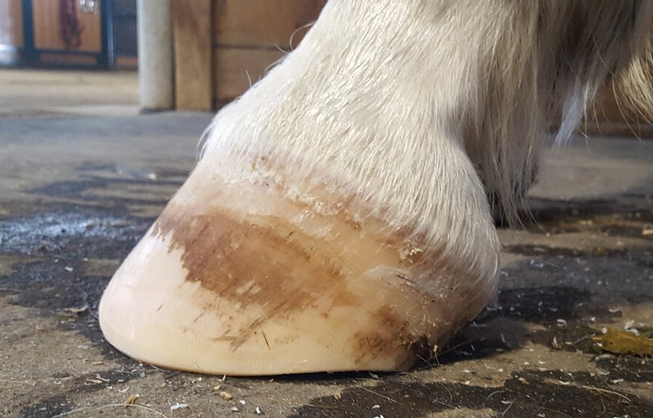
Supporting long-term hoof quality requires attention to specific nutrients that build strong, resilient hoof structures. For example, the hoof wall is essentially specialized skin composed primarily of keratin, a tough structural protein that demands consistent nutritional support.
The Biotin Foundation
Biotin has achieved near-legendary status in the equine world for good reason. This B-vitamin plays an essential role in keratin formation, influencing both the rate of hoof growth and the quality of horn produced. Research demonstrates that long-term biotin supplementation improves hoof strength and growth rate, though patience is required. Meaningful improvements typically appear after 8-15 months of consistent supplementation, reflecting the slow rate at which hoof wall grows from coronary band to ground surface.
Most horses synthesize adequate biotin through hindgut fermentation, provided their digestive system functions optimally and receives sufficient quality forage. However, horses with compromised gut health, those receiving limited forage, or individuals with genetically poor hoof quality often benefit from supplemental biotin. The typical effective dose ranges from 15-30 mg daily, significantly higher than minimum requirements but well within safe limits.
Methionine: The Strength Builder
If biotin provides the blueprint for hoof growth, methionine supplies the structural integrity that makes those hooves durable. This essential amino acid must be obtained through diet, as horses cannot synthesize it internally. Methionine is particularly important because it provides sulfur, which forms the disulfide bonds that crosslink keratin molecules and give hoof horn its remarkable toughness. Additionally, MSM (methylsulfonylmethane) is beneficial for hoof health as it supports the production of keratin, which is essential for strong hooves, improving hoof quality and reduce brittleness.
Think of keratin as a ladder. Biotin helps build the vertical rails, but without methionine providing the horizontal rungs, the structure lacks strength and rigidity. Horses deficient in methionine may grow hoof wall at normal rates, but that horn tends to be soft, crumbly, and prone to chipping or cracking.
Quality protein sources rich in methionine include alfalfa or specialized amino acid supplements. However, the total protein content of the diet matters less than the amino acid profile. Horses can consume adequate crude protein but still experience methionine deficiency if protein sources are of poor quality.
Trace Minerals: The Micronutrient Team
Copper and zinc work synergistically to support hoof health. Copper influences overall hoof rigidity and plays a role in connective tissue formation throughout the body. Zinc supports growth and repair of hoof wall and contributes to skin integrity. Deficiency in either mineral can result in weak, slow-growing hooves with poor horn quality.
Manganese provides additional structural support, contributing to the strength of both hoof wall and internal foot structures like laminae and bones. Selenium, while required in tiny amounts, functions as an antioxidant protecting tissues from oxidative damage.
Many base diets fall short in trace mineral provision, particularly if horses consume primarily grass hay without fortified grain. A quality vitamin and mineral supplement or access to free-choice loose minerals can bridge these nutritional gaps. Some natural options include kelp or a product called Sea-90.
Supporting Nutrients
Omega-3 fatty acids contribute to hoof health through their anti-inflammatory properties and support of cell membrane integrity. These essential fats help maintain appropriate inflammatory responses in hoof tissues and support overall circulatory health. Ground flaxseed, chia seeds, or camelina oil (WILD GOLD) provide excellent omega-3 sources while also contributing to coat quality.
Vitamin A supports skin and hoof health through its role in cell differentiation and immune function. Fresh pasture provides abundant vitamin A, but horses on primarily hay-based diets may benefit from supplementation, particularly during winter months when green forage is unavailable. Rosehips contain vitamin A, which is important for healthy eyes and immune function, providing about 24% of the daily value per 100 grams. However, the primary source of vitamin A in rose hips comes from carotenoids, which the body can convert into vitamin A.
The Time Factor and Realistic Expectations
Perhaps the most important concept in hoof nutrition is understanding that visible results require patience. Hoof wall grows approximately one-quarter to one-half inch per month, meaning complete hoof replacement from coronary band to ground takes 9-12 months. The hoof you see today reflects the nutrition your horse received last winter. Conversely, nutritional improvements implemented this fall won't fully manifest until next summer.
This timeline has important implications. First, don't expect rapid transformation. Supplements that promise dramatic hoof improvement in weeks are overselling their capabilities. Second, consistency matters enormously. Sporadic supplementation or fluctuating diet quality produces inconsistent results. Third, deteriorating hoof quality despite current good care may reflect problems from months past, not present management failures. Fourth, environment plays a huge role in health of the hoof.
Regular trimming care complements nutritional support. Even the best-fed hoof requires proper trimming to maintain correct balance and prevent mechanical damage. Work closely with your trimmer, sharing information about dietary changes and discussing any observed improvements or concerns.
The Outlook
Fall represents an ideal time to evaluate your horse's hoof health and implement nutritional changes that will support them through winter and emerge stronger next spring. Begin any new supplements now, allowing several months for benefits to accumulate before challenging winter conditions arrive. Assess body condition and adjust feeding to achieve ideal weight before cold weather increases caloric demands.
Strong, healthy hooves don't happen by accident. They result from thoughtful management, appropriate nutrition, and time. By understanding the unique challenges fall presents and providing the specific nutrients hooves require, you're investing in your horse's soundness and comfort for months to come. The effort you put in now will quite literally support your horse every step they take next year.
Have more questions? Book an appointment today.
As always, these recommendations do not replace the advice of your veterinarian.