Fall Laminitis Prevention
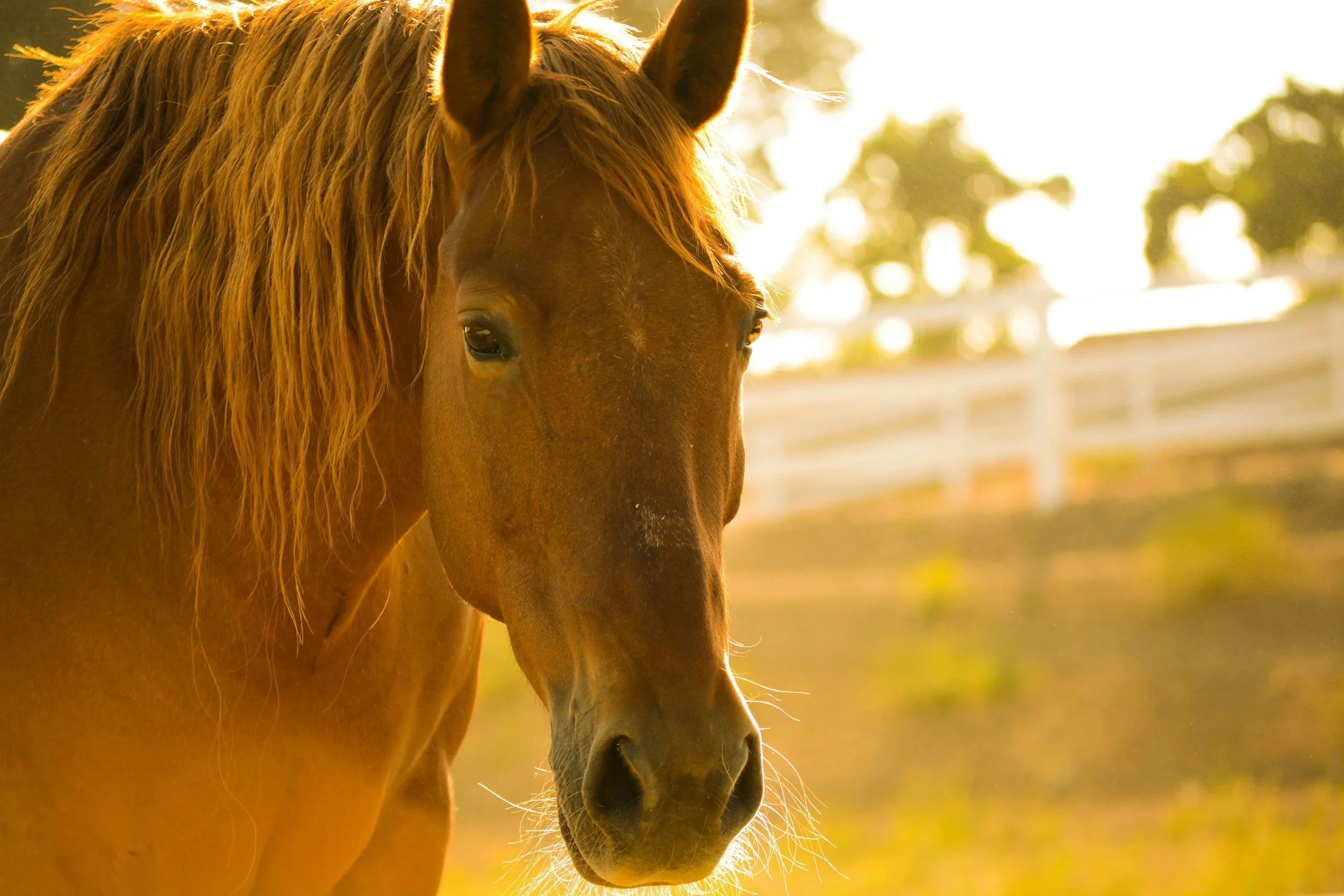
As the summer heat gives way to crisp autumn mornings, horse owners often breathe a sigh of relief. The oppressive humidity has lifted, the flies are diminishing, and those beautiful fall pastures are greening up again. But this seemingly idyllic season brings one of the most significant threats to equine hoof health: fall laminitis.
Understanding why autumn poses such danger and how proper nutrition can both prevent laminitis and support overall hoof integrity is essential knowledge for every horse owner. The hoof you see today reflects the nutrition and management decisions made months ago, making proactive fall care crucial for winter soundness.
Why Fall Presents Peak Laminitis Risk
Laminitis cases spike during two distinct periods: spring and fall. The culprit? Non-structural carbohydrates in pasture grasses that reach dangerously high levels during these transitional seasons. Cool season grasses that flourish in spring and fall naturally contain higher sugar and starch content compared to warm season varieties. When cool nighttime temperatures combine with warm, sunny days, plants experience a perfect storm of metabolic conditions.
During photosynthesis, plants produce sugars in their leaves. Normally, these sugars are quickly used for growth or transported to roots for storage. However, when nighttime temperatures drop below 40°F, plant growth slows dramatically while photosynthesis continues during sunny days. The result? Sugar accumulates in the plant tissues rather than being utilized, creating pastures that essentially function as sugar traps for grazing horses.
Stress compounds the problem. Drought-stressed pastures, overgrazed areas, or grass recovering from frost all tend to accumulate even higher levels of non-structural carbohydrates. That lush fall regrowth that looks so nutritious may actually be loaded with sugars that trigger metabolic responses in susceptible horses, leading to the devastating inflammation of the laminae that characterizes laminitis.
For horses with metabolic conditions like Equine Metabolic Syndrome, Insulin Resistance, PPID (Cushing's Disease), or previous laminitis episodes, these elevated carbohydrate levels can trigger acute founder. Even horses without obvious metabolic issues can succumb to laminitis when carbohydrate intake exceeds safe thresholds, particularly if they're overweight or have easy-keeper metabolisms.
Strategic Pasture Management for Fall
Prevention begins with intelligent grazing management. The timing of turnout matters enormously during fall months. Non-structural carbohydrate levels in grass fluctuate throughout the day, reaching their lowest points in early morning and late evening. Plants use stored sugars overnight for respiration and growth, depleting their reserves by dawn. As the sun rises and photosynthesis begins, sugar content climbs steadily, peaking in late afternoon when sunlight has been abundant but cooler temperatures prevent the plant from using those sugars for growth.
For at-risk horses, this means restricting grazing to early morning hours before sugar levels climb, or turning out in the evening after plants have metabolized some of their accumulated sugars. Some horse owners find success with overnight turnout, bringing horses in early morning and keeping them off pasture throughout the sunny afternoon hours. While this schedule may seem inconvenient, it dramatically reduces carbohydrate exposure during the highest-risk period.
Grazing muzzles provide another layer of protection, allowing horses the social and psychological benefits of pasture turnout while mechanically limiting grass intake. Modern muzzles permit horses to drink freely while restricting the amount of forage they can consume per bite. For horses who become anxious or distressed when separated from their herd, muzzles offer a compromise that maintains mental well-being while protecting metabolic health. When using a muzzle it is important to remember that any grass taller than three inches will be difficult for the horse to grasp through the openings of the muzzle, thus reducing their intake throughout the turn put period. Adjust their mealtime portions of hay accordingly.
After frost, exercise extreme caution. Frost-damaged grass undergoes cellular rupture that releases stored sugars into plant tissues, creating exceptionally high carbohydrate levels. Keep susceptible horses completely off pasture for several days following frost events, until the grass has recovered and sugar levels normalize.
Dietary Guidelines for Laminitis-Prone Horses
Managing the base diet forms the foundation of laminitis prevention. Horses at high risk should consume diets containing less than 10% non-structural carbohydrates on a dry matter basis, while moderate-risk horses can tolerate 15-20%. This seems straightforward until you realize that most grass hay contains 12-20% NSC, and some samples test even higher.
Hay testing becomes invaluable for horses requiring strict carbohydrate control. A complete forage analysis costs relatively little compared to treating laminitis and provides specific information about NSC content, protein levels, and mineral balance in your hay. Armed with this data, you can make informed feeding decisions rather than guessing.
When hay tests reveal NSC levels above safe thresholds, soaking offers a practical solution. Submerging hay in water for 30-60 minutes leaches water-soluble sugars from the forage, reducing carbohydrate content by 30-50%. Warm water works faster than cold, though extended soaking in cold water achieves similar results. After soaking, drain the hay thoroughly and feed immediately, as the damp forage can develop mold if stored. This process can become complicated in winter months in the Northern hemisphere.
The quantity of forage matters as much as quality. Most horses should receive approximately 1.5-2% of their ideal body weight in forage daily to maintain healthy digestive function and prevent gastric ulcers. For a 1000-pound horse, this translates to 15-20 pounds of hay per day. Feeding smaller meals more frequently helps maintain steady blood sugar levels and supports hindgut health.
Eliminate cereal grains and sweet feeds for laminitis-prone horses. Even small amounts of oats, corn, or commercial feeds containing molasses can trigger metabolic responses in susceptible individuals. If additional calories are needed for weight maintenance, consider molasses-free beet pulp, stabilized rice bran, or alfalfa pellets. Alfalfa pellets typically have a low sugar content, with dietary sugar levels averaging around 7% maximum. This makes them suitable for horses, including those that are insulin resistant, as they provide essential nutrition without excessive carbohydrates.
Preparing for Winter Success
Test your hay to understand exactly what you're feeding and identify any nutritional shortfalls that require supplementation. Schedule fall trimmer visits to address any mechanical issues before frozen ground makes hoof problems more challenging to manage. Take photographs of hooves from multiple angles to document current condition, providing objective baseline data for evaluating future progress.
Most importantly, if your horse is at risk for laminitis, implement strict pasture management protocols now, before an acute episode occurs. Prevention is infinitely easier, less expensive, and less heartbreaking than treatment. Those beautiful fall pastures may look inviting, but for metabolic horses, they represent genuine danger.
Have more questions? Book an appointment today.
As always, these recommendations do not replace the advice of your veterinarian.